AISHE College Hostels (Ministry of Education)
College and university hostels in each district in 2014-15 — places, and the boys and girls living in them. All India Survey on Higher Education (AISHE), via NITI Aayog NDAP.
Published 2014–15 · 2 indicators · mapped to 808 districts · platform version 2026-11-11
New districts: parent district's count split by population
Districts created after this source was published have no measurement of their own. For this source those values are parent district's count split by population and flagged in the interface, so you can filter them out. See the methodology for why this method applies here and where it is weakest.
Indicators
Education
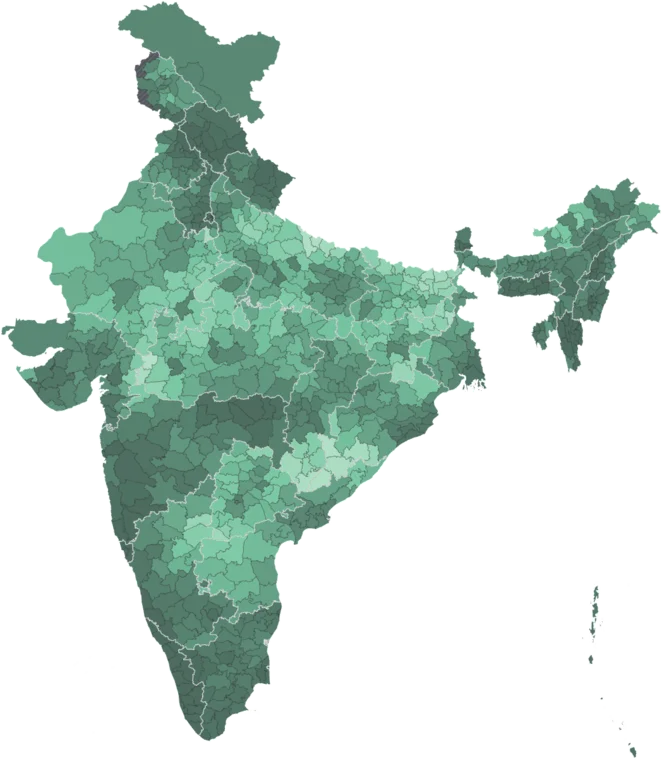
College Hostel Residents per Lakh
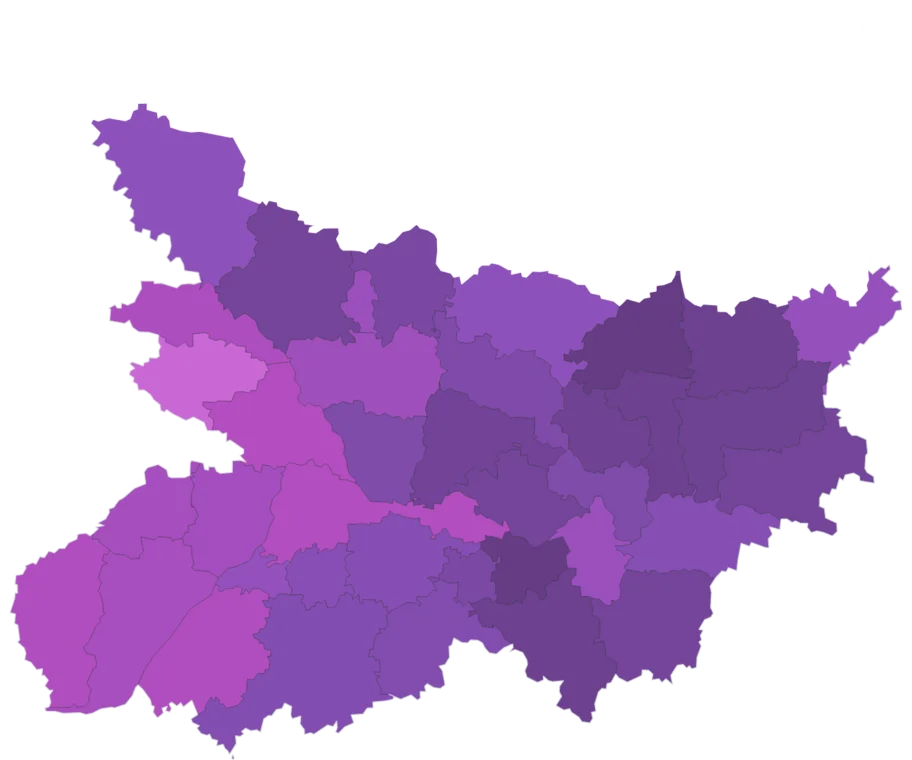
Map itStudents living in college and university hostels per 1 lakh population, 2014-15, split by boys', girls' and other hostels. From the Ministry of Education's All India Survey on Higher Education.
Caveat: Residents are counted where the hostel is, not where the student comes from, so college towns read high. A hostel type with places but a blank residents column counts 0 residents. Rate uses Census 2011 population. AISHE 2014-15, the newest district-level release. A survey: not every institution responded, so counts are floors. Districts formed since take a share of the 2014-15 district's count by population, so they show its rate. Udupi withheld: about 2,400 places per hostel in three of four years. Puducherry district withheld: the source has Yanam and Mahe but no Pondicherry row, so the UT value is Karaikal alone. Mumbai Suburban carries the source's "Unknown district" row. A blank district had no row in the source, which is not the same as no hostels.
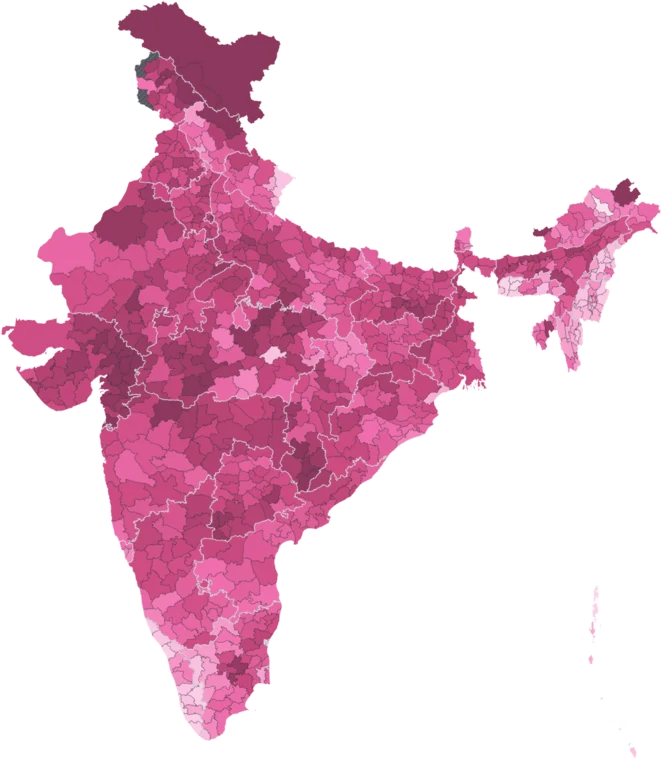
College Hostel Occupancy
Map itStudents living in college and university hostels as a share of hostel places, 2014-15. Above 100% the hostels hold more students than their intake. From the Ministry of Education's All India Survey on Higher Education.
Caveat: Places are the source's intake capacity. A hostel type counts only where it reports residents and they are at most 150% of its places. Not shown below 10% or above 150%, where the two columns disagree rather than measure vacancy or crowding. AISHE 2014-15, the newest district-level release. A survey: not every institution responded, so counts are floors. Districts formed since take a share of the 2014-15 district's count by population, so they show its rate. Udupi withheld: about 2,400 places per hostel in three of four years. Puducherry district withheld: the source has Yanam and Mahe but no Pondicherry row, so the UT value is Karaikal alone. Mumbai Suburban carries the source's "Unknown district" row. A blank district had no row in the source, which is not the same as no hostels.
Where this data is highest and lowest
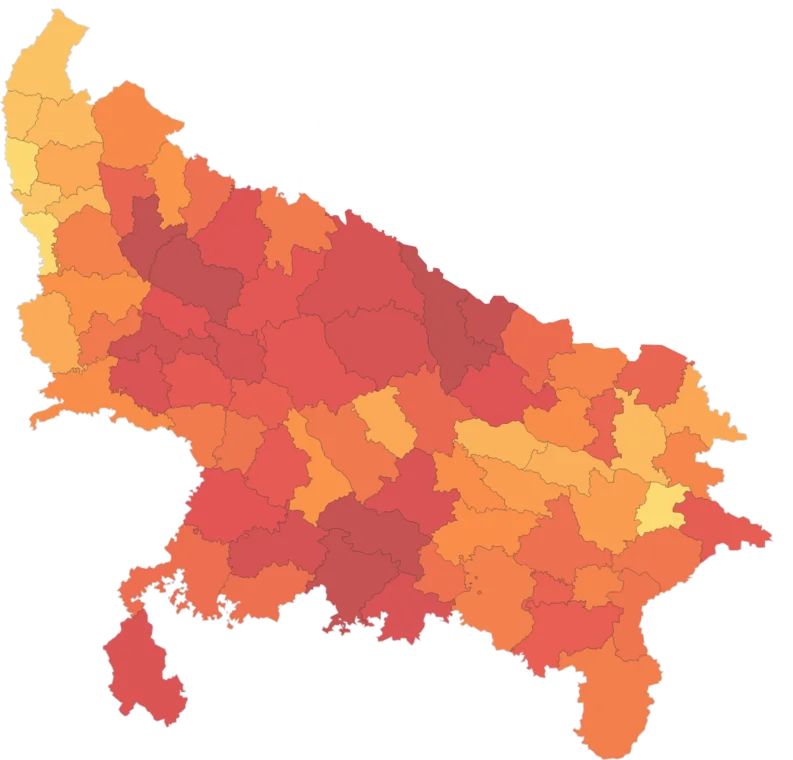
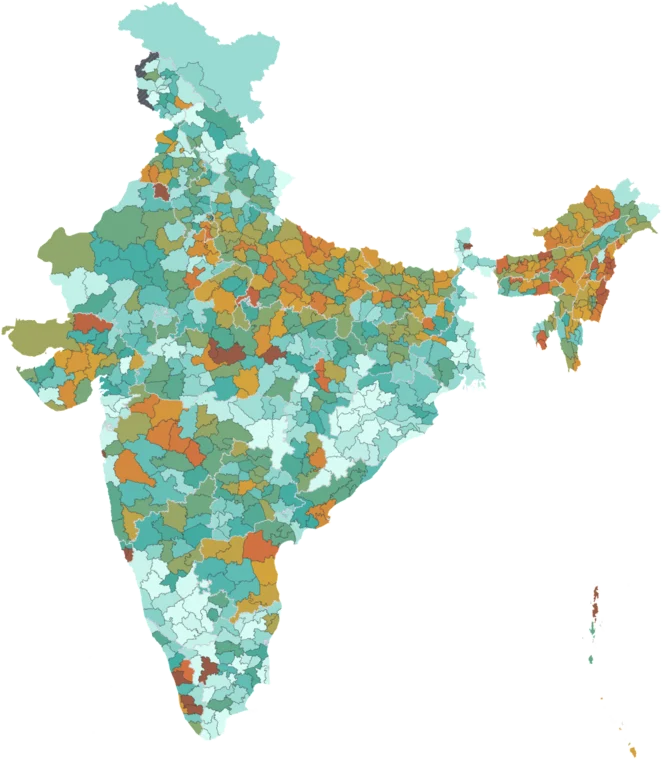
Across all 808 districts, by college hostel residents per lakh. Every district has its own page.
Using this data
Free to explore and export. Cite the original publisher for published figures and cite us as well where your result depends on the crosswalk. Per-layer limitations are listed on the caveats page.
The publisher requires this credit wherever their figures appear. Reproduce it as written: